


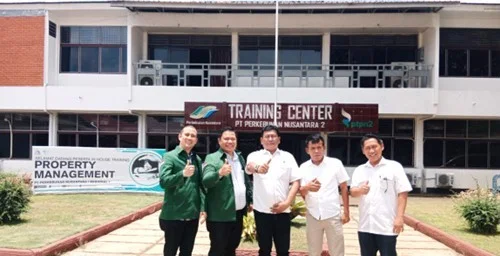
Tanjung Morawa, September 21, 2026 – The Master’s Program in Property and Valuation Management (MMPP), Postgraduate School, Universitas Sumatera Utara (USU), conducted an academic visit to PT Nusa Dua Propertindo (NDP) to deepen students’ understanding of asset management and property development practices. The activity was part of the Property Management 1 course, taught by Prof. Dr. Khaira Amalia Fachrudin, S.E., Ak., MBA, CA, MAPPI (Cert), with a particular focus on the transformation of underutilized assets into productive assets capable of generating economic and social value.
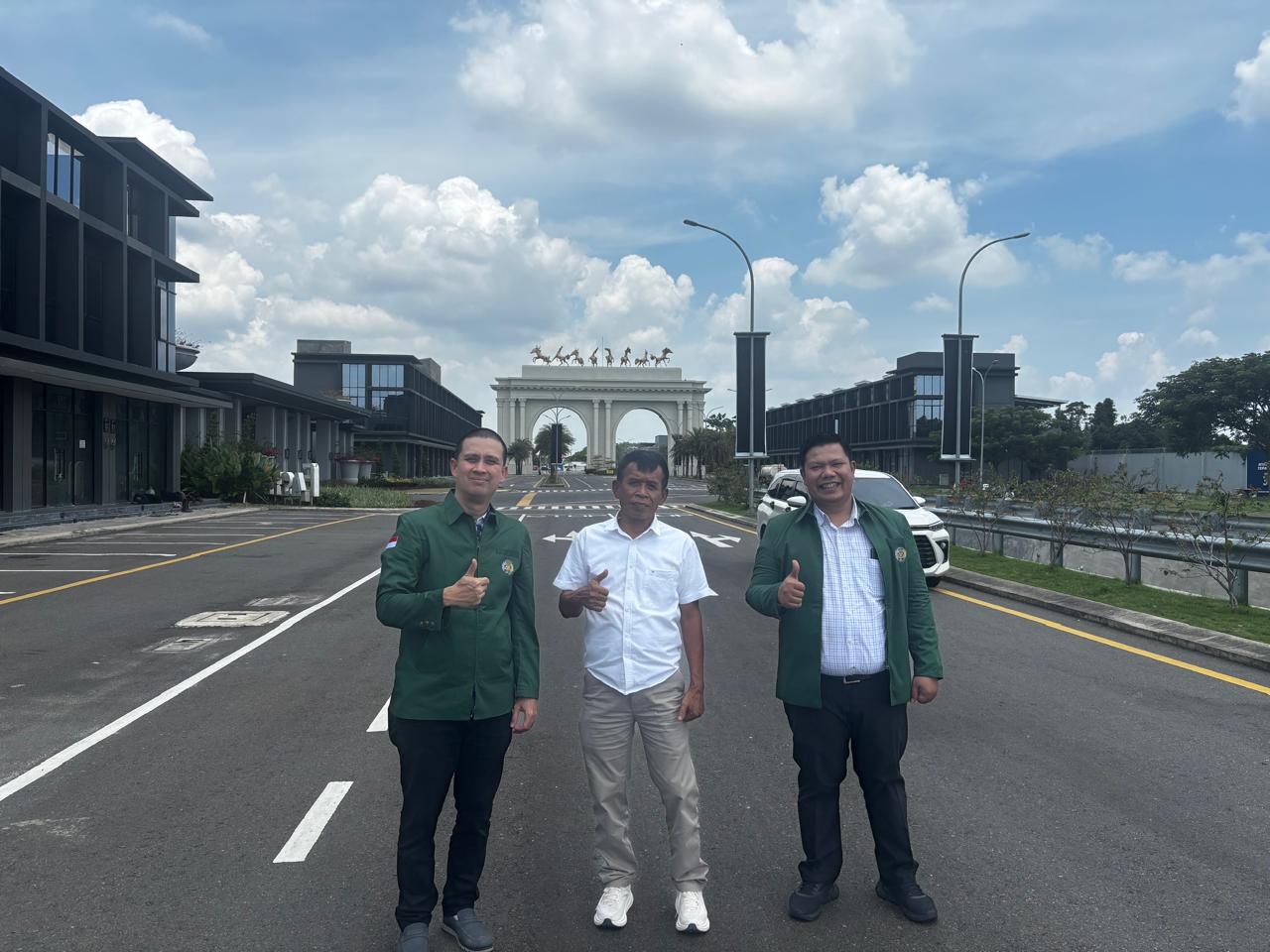
The academic visit was attended by MMPP USU students, namely Daniel Panca Pasanda, Gokma Ferdinanta Sihombing, Tengku Rico Ardhin, and Ricky Gunawan Sitorus. Through field observations, in-depth interviews, and documentation, the students had the opportunity to gain first-hand insights into the implementation of asset management concepts that they had previously studied in the classroom.
During the interview session, Triandi Heru Herianto Siregar, a representative of PT Nusa Dua Propertindo, explained that the assets being developed originated from former Hak Guna Usaha (HGU) oil palm plantation land located across several areas, including Helvetia, Sampali, Sei Tuan, Bandar Khalipah, Batang Kuis, and Tanjung Morawa. Changes in the MEBIDANGRO regional spatial planning policy resulted in some of these areas becoming less suitable for plantation activities, creating a need to optimize their utilization through new and more productive functions.
The transformation process originated from a long-term development plan prepared by PTPN II in 2011, which subsequently evolved into the concept of an integrated new township known as Deli Metropolitan. The presence of strategic national infrastructure, including Kualanamu International Airport and the toll road network, further strengthened the potential of the area to develop into a new center of economic growth in North Sumatra.
The development undertaken by PT Nusa Dua Propertindo demonstrates the application of comprehensive asset management principles. In asset management theory, assets that no longer provide optimal benefits need to be evaluated, replanned, and optimized through uses that can generate the highest and best value. The Highest and Best Use (HBU) concept therefore serves as an important foundation in making decisions regarding the development of previously underutilized assets.
A total of 2,514 hectares of land was contributed as capital investment through a gradual in-kind contribution (inbreng) mechanism. To ensure the accuracy and objectivity of asset valuation, the valuation process involved independent valuers or Public Appraisal Service Firms (Kantor Jasa Penilai Publik/KJPP). This approach represents good asset governance and supports the principles of transparency and accountability in large-scale property development.
The optimization process resulted in a significant increase in asset value. Land that was previously valued at approximately IDR 300,000 per square meter increased to approximately IDR 3.5 million to IDR 9 million per square meter following development. This increase illustrates the potential of strategic asset management to create substantial and sustainable added value.
In project implementation, PT Nusa Dua Propertindo applies a Joint Operation (Kerja Sama Operasional/KSO) model with national property development partners. This scheme is intended to strengthen development capacity, accelerate project realization, and optimize the utilization of the company’s assets.
Under this partnership arrangement, PT NDP provides land with clear legal status and development readiness, while its development partners are responsible for physical construction, marketing, and area management. This collaborative model demonstrates how strategic partnerships can be used to optimize assets while creating benefits for the various stakeholders involved.
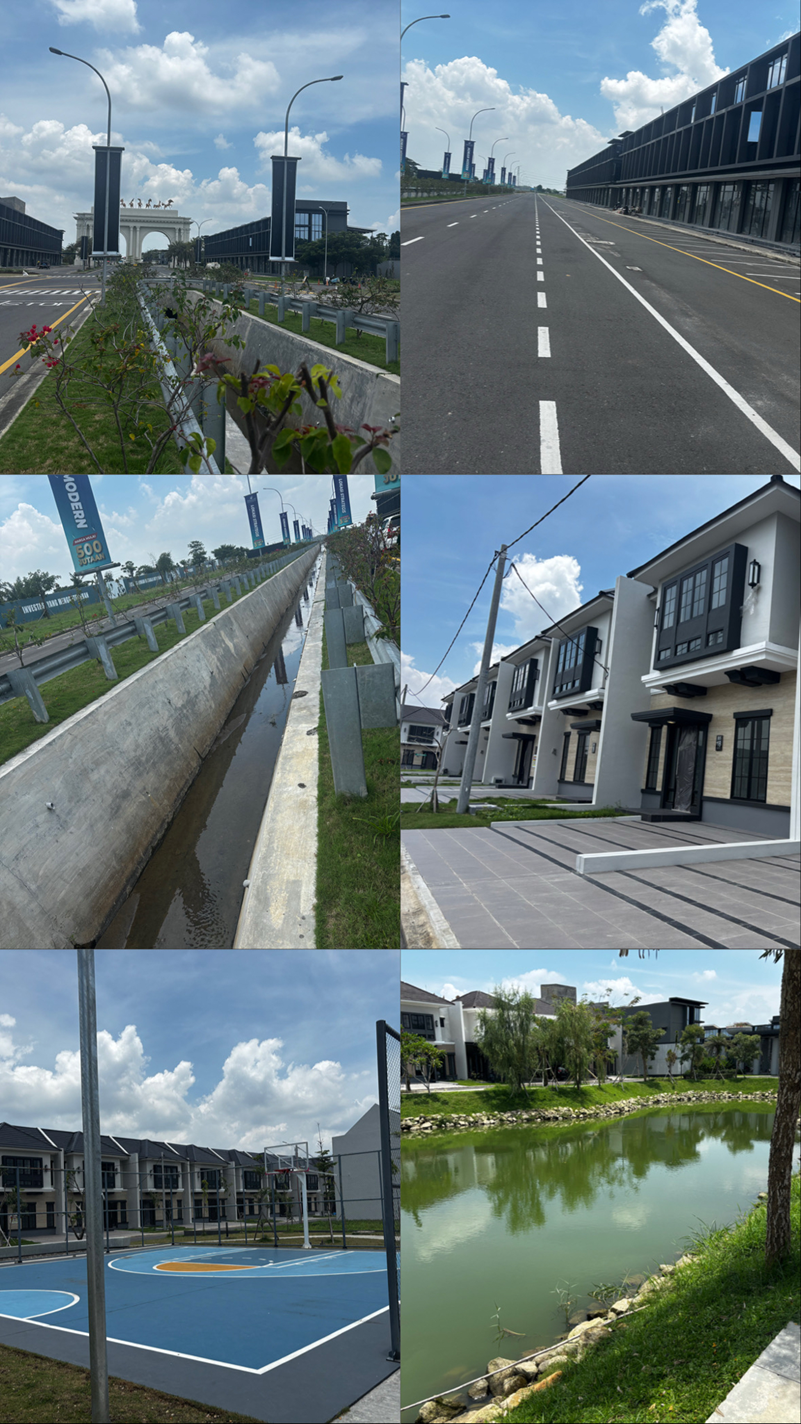
In addition to increasing the value of corporate assets, the development of the area has generated positive impacts for surrounding communities and the region. The development process has created employment opportunities for local workers in areas such as land preparation, construction, security, and supporting services. Basic infrastructure, including roads, electricity networks, clean water systems, and other supporting facilities, has also developed alongside the construction of residential areas.
The initial success of the development can also be observed from the strong market response. The Helvetia development area, one of the project locations, successfully recorded the sale of all marketed units within a relatively short period. This indicates strong market demand for integrated residential areas supported by adequate infrastructure and facilities.
Beyond economic considerations, the company is also committed to environmental sustainability through plans to develop green areas within portions of the managed territory. This approach is consistent with the principles of sustainable development, which have become increasingly important in the modern property industry.
The academic visit provided valuable learning experiences for MMPP USU students. The students not only gained an understanding of the technical aspects of property development but also learned about the importance of integrating land regulations, spatial planning, asset valuation, risk management, and corporate governance in the management of large-scale assets.
Through this activity, students were able to observe directly how previously underutilized assets can be transformed into residential and business areas that generate significant economic benefits for companies, local governments, and communities. The experience provides a practical illustration of the strategic role of property and asset management in creating added value, improving land-use efficiency, and supporting sustainable regional development.