


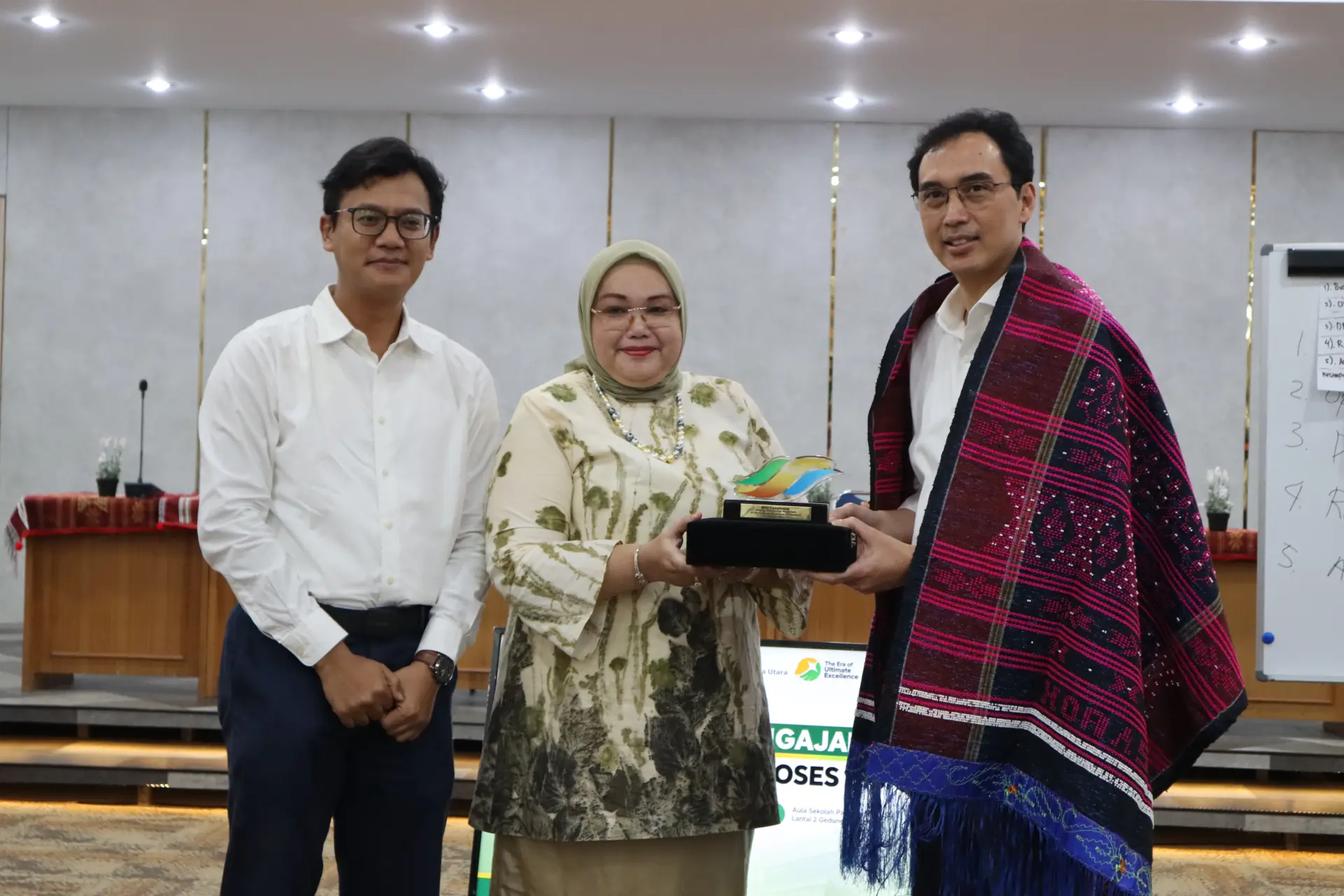
Medan, 31 October 2026 — The Master of Management Program (MM), Graduate School of Universitas Sumatera Utara (USU), continues to strengthen industry-relevant learning through a Practitioner Teaching session on “Business Process Design.” The session, held at the USU Graduate School, featured Mr. Denaldy Mulino Mauna, President Director of PT. Perkebunan Nusantara III (Persero), as the industry practitioner.
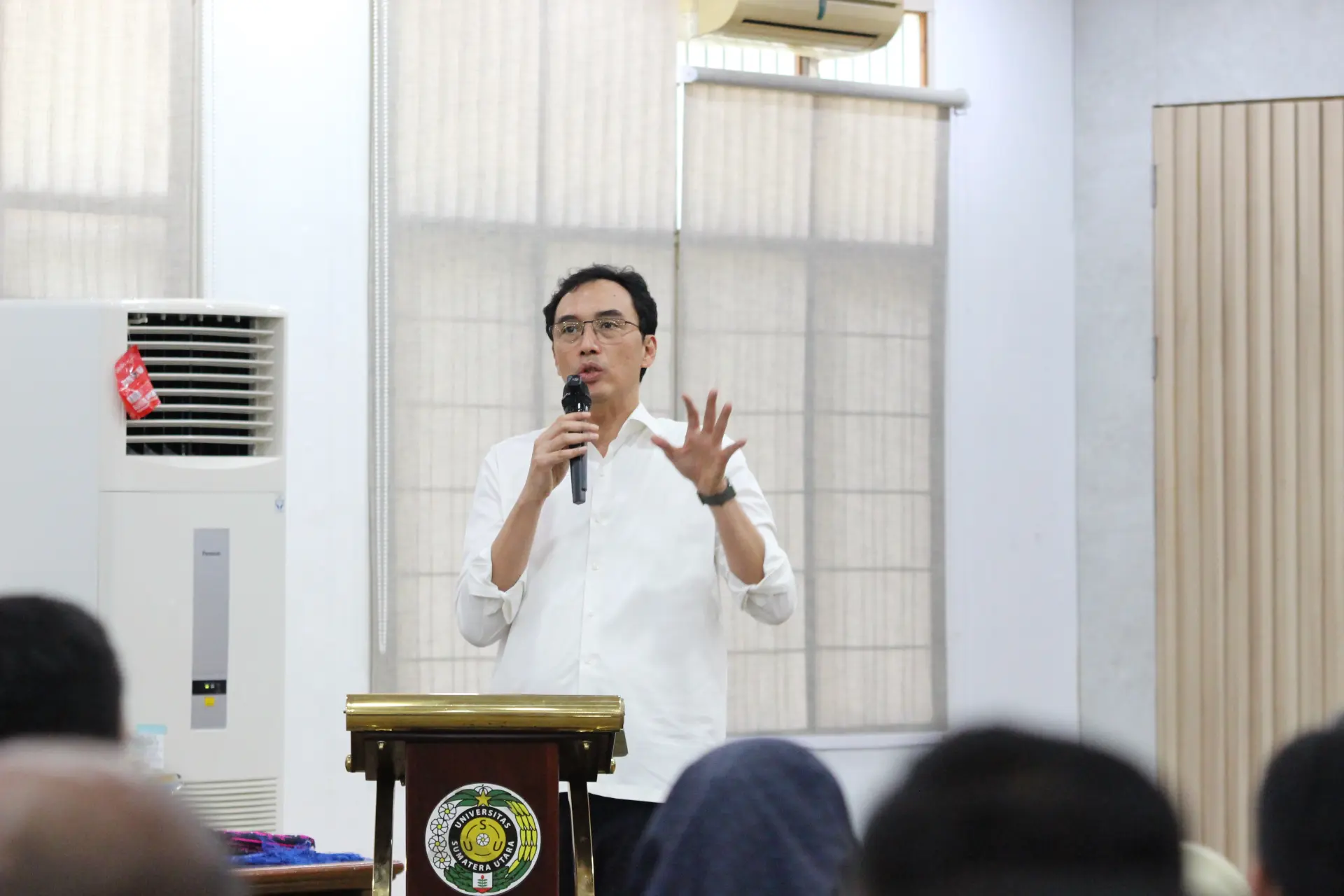
The involvement of an industry practitioner provides students with an opportunity to connect academic perspectives with real-world organizational experience. Through the Business Process Design topic, students are encouraged to deepen their understanding of how business processes are designed, managed, evaluated, and continuously improved to strengthen organizational effectiveness and value creation.
For the Master of Management Program, practitioner engagement is more than a complementary classroom activity. It is part of a broader strategy to create contextual, participatory, and problem-oriented learning experiences. The interaction between students and practitioners also provides a platform to explore real organizational challenges and the importance of analytical thinking and managerial decision-making in a rapidly changing business environment.
The activity is aligned with USU’s broader commitment to impact-oriented higher education. In its 2026–2031 performance direction, USU emphasizes that programs should be assessed not merely by the number of activities implemented, but by their targets, outputs, outcomes, impacts, and alignment with the university’s Key Performance Indicators (IKU) and Priority Performance Indicators (IKP).
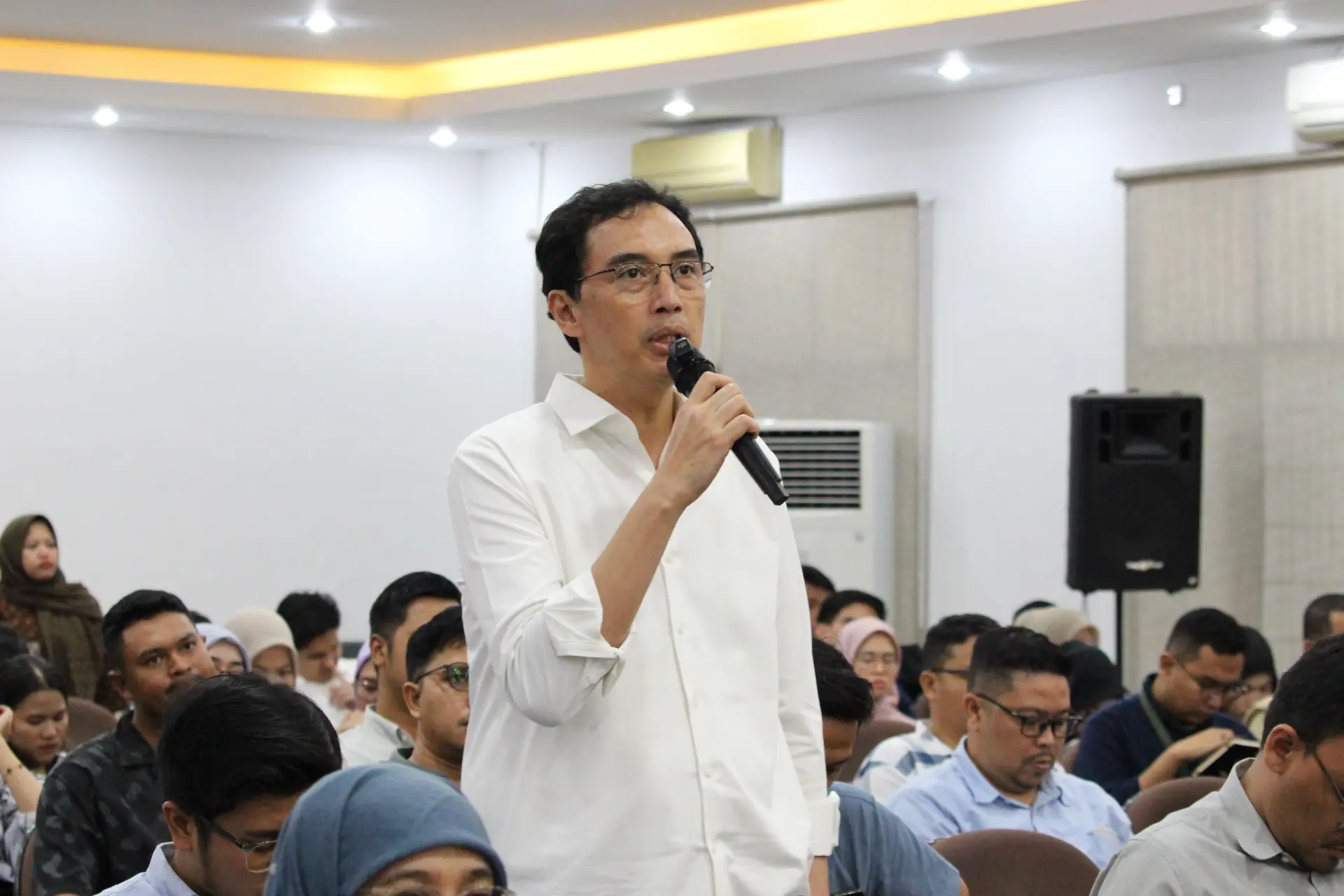
The Practitioner Teaching activity is particularly relevant to IKU 5 on Impactful Strategic Partnerships and IKU 11 on Collaborative, Participatory Learning and Social/Community Contribution. This connection reflects USU’s current emphasis on meaningful partnerships and learning experiences that contribute to institutional performance and educational quality.
From a sustainable development perspective, the activity contributes primarily to SDG 4: Quality Education, through relevant and practice-oriented learning; SDG 8: Decent Work and Economic Growth, through the development of competencies relevant to employment, productivity, innovation, and organizational performance; and SDG 17: Partnerships for the Goals, through collaboration between higher education and industry. The United Nations highlights relevant skills for employment, decent jobs, and entrepreneurship under SDG target 4.4, while SDG 8 emphasizes productivity, innovation, productive activities, and decent job creation.
The activity is aligned with USU’s broader commitment to impact-oriented higher education. In its 2026–2031 performance direction, USU emphasizes that programs should be assessed not merely by the number of activities implemented, but by their targets, outputs, outcomes, impacts, and alignment with the university’s Key Performance Indicators (IKU) and Priority Performance Indicators (IKP).
The Practitioner Teaching activity is particularly relevant to IKU 5 on Impactful Strategic Partnerships and IKU 11 on Collaborative, Participatory Learning and Social/Community Contribution. This connection reflects USU’s current emphasis on meaningful partnerships and learning experiences that contribute to institutional performance and educational quality.
From a sustainable development perspective, the activity contributes primarily to SDG 4: Quality Education, through relevant and practice-oriented learning; SDG 8: Decent Work and Economic Growth, through the development of competencies relevant to employment, productivity, innovation, and organizational performance; and SDG 17: Partnerships for the Goals, through collaboration between higher education and industry. The United Nations highlights relevant skills for employment, decent jobs, and entrepreneurship under SDG target 4.4, while SDG 8 emphasizes productivity, innovation, productive activities, and decent job creation.
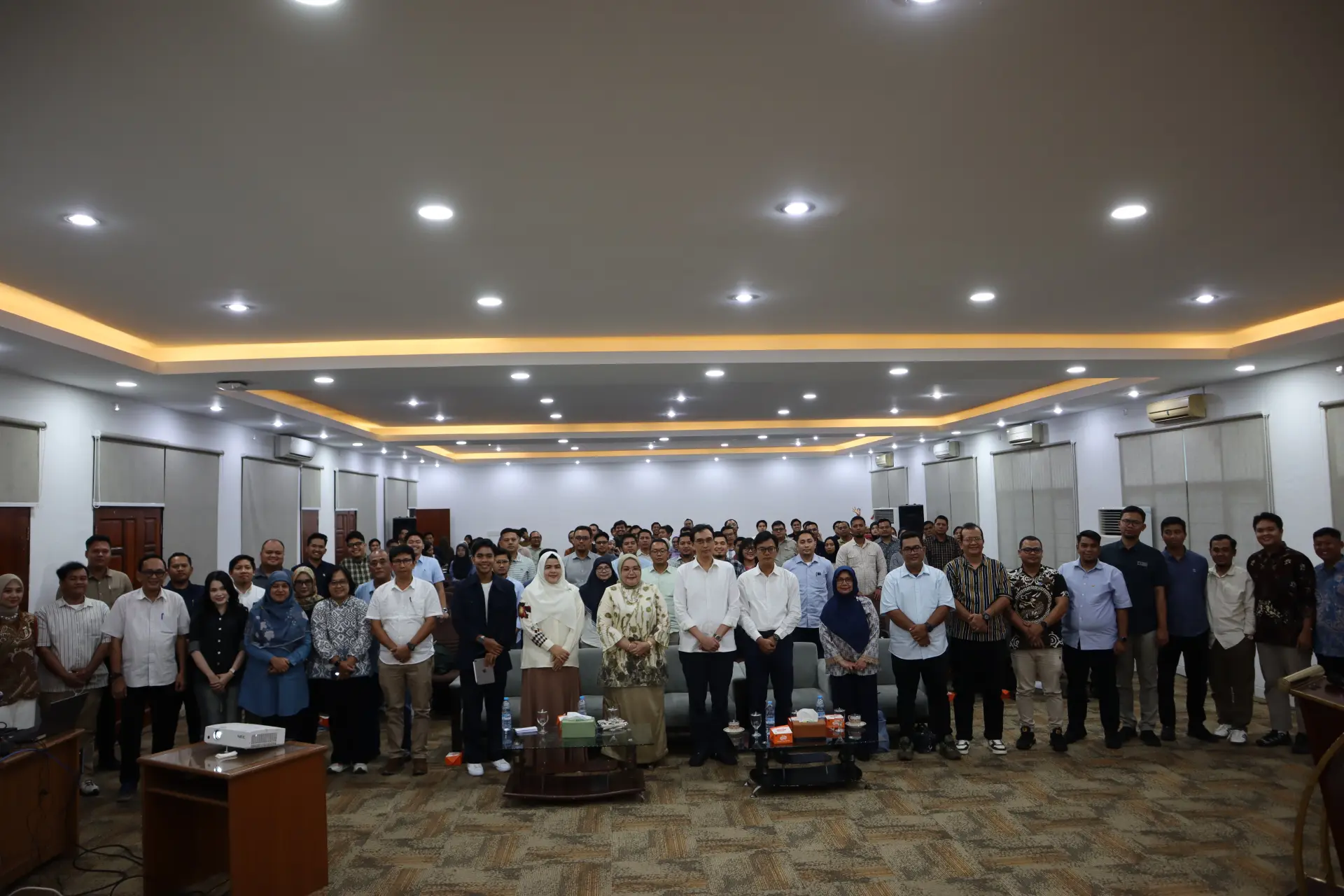
Through this initiative, the Master of Management Program at USU reaffirms its commitment to adaptive, relevant, and impactful management education—connecting theory with practice, campus with industry, and learning with the broader agenda of sustainable development.