


.webp)
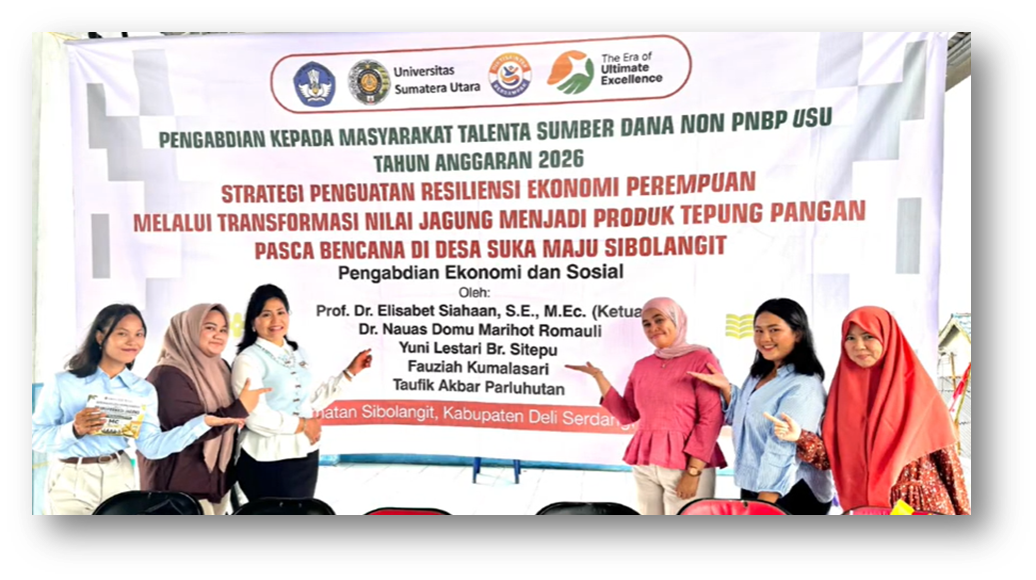
Medan, August 18, 2026 — The Community Service Program titled “Strengthening Women’s Economic Resilience through the Transformation of Corn into Food Flour Products in the Post-Disaster Period” was conducted in Suka Maju Village, Sibolangit District, Deli Serdang Regency, on Friday, August 16, 2026. The program involved collaboration among the Faculty of Economics and Business, the Faculty of Agriculture through the Food Science and Technology program, and the Graduate School’s Master’s Program in Property and Valuation Management at Universitas Sumatera Utara (USU).
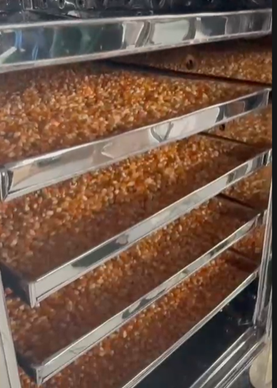
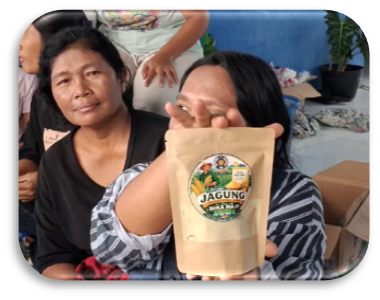
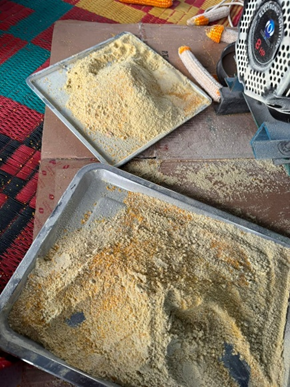
The Head of the Community Service Team, Prof. Dr. Elisabet Siahaan, S.E., M.Ec., explained that the program aims to encourage members of the Suka Maju Village Family Welfare Empowerment (PKK) group to become more creative and develop economic independence by utilizing locally harvested corn. Through corn processing technology and the production of value-added corn flour products, the use of corn-drying and grinding machines is expected to enable the community to produce value-added corn flour products in Suka Maju Village, Sibolangit District.
 |  |  |
The Community Service Program is expected to contribute to post-disaster economic recovery in Suka Maju Village, Sibolangit District. The initiative supports SDG 2: Zero Hunger by strengthening food security based on local food resources and contributes to SDG 1: No Poverty through efforts to reduce economic vulnerability, promote food-processing innovation, and strengthen community resilience in the post-disaster period.
Universitas Sumatera Utara (USU) is strongly committed to supporting the achievement of the Sustainable Development Goals (SDGs) through the implementation of the Tridharma of Higher Education, encompassing education, research, and community service. This commitment is further strengthened by the USU SDGs Center and various programs and activities focused on sustainable development, community empowerment, innovation, economic development, improving education quality, and environmental preservation.
Accordingly, academic activities, research, and community service programs at USU are directed toward making tangible contributions to the achievement of the 17 SDGs. This initiative particularly supports SDG 1: No Poverty, SDG 2: Zero Hunger, SDG 3: Good Health and Well-Being, SDG 4: Quality Education, and SDG 17: Partnerships for the Goals.